 International Gateway
Mumbai
The world's doorway to Nashik. Land at Chhatrapati Shivaji International, rest overnight, then climb the Western Ghats at dawn.
● Distance: ~165 km● Travel time: 4–5 hours
Best for: Global travelers arriving by air
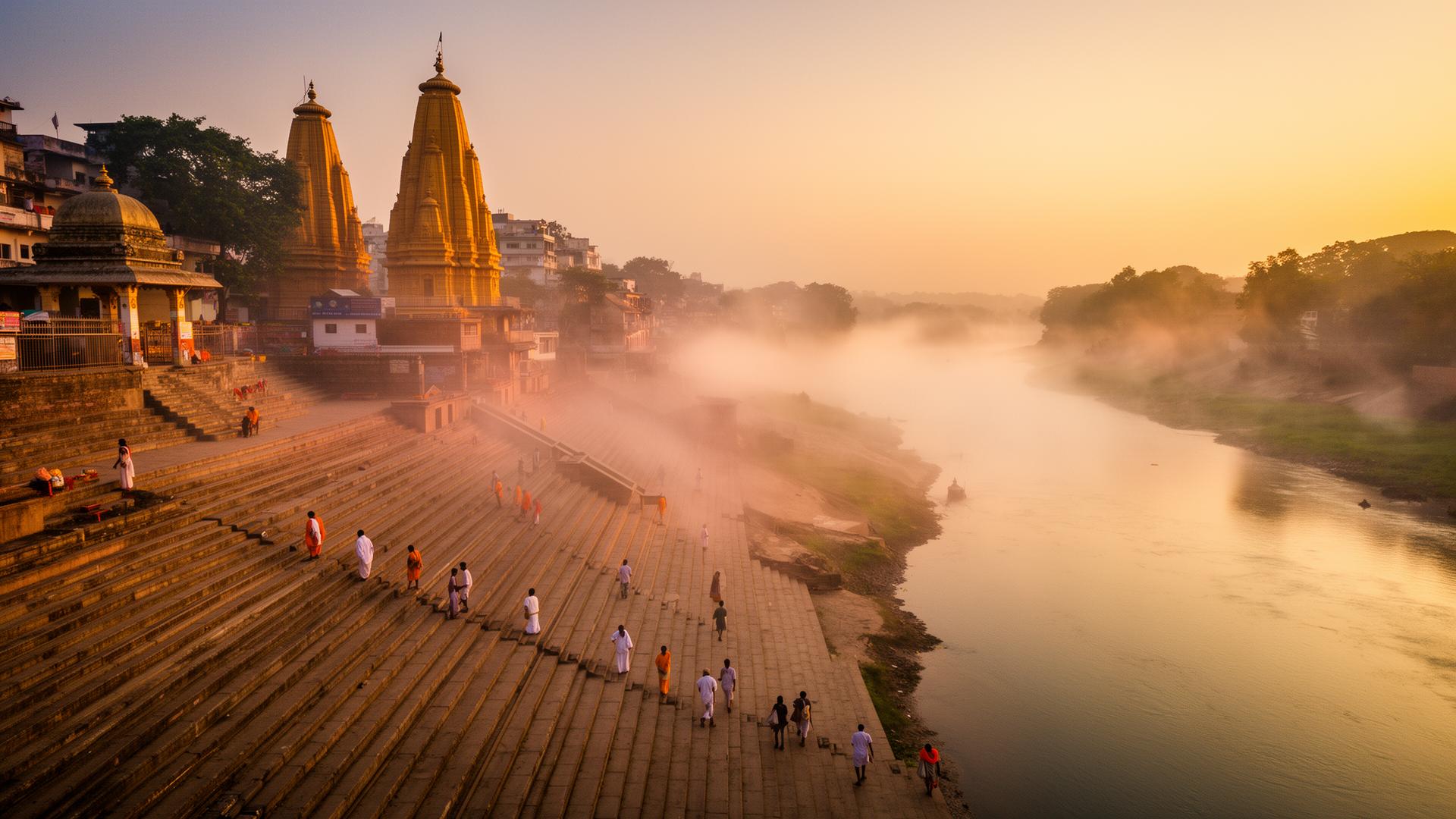
Flights, trains, road journeys and spiritual routes that quietly prepare the heart before the Godavari ever comes into view.
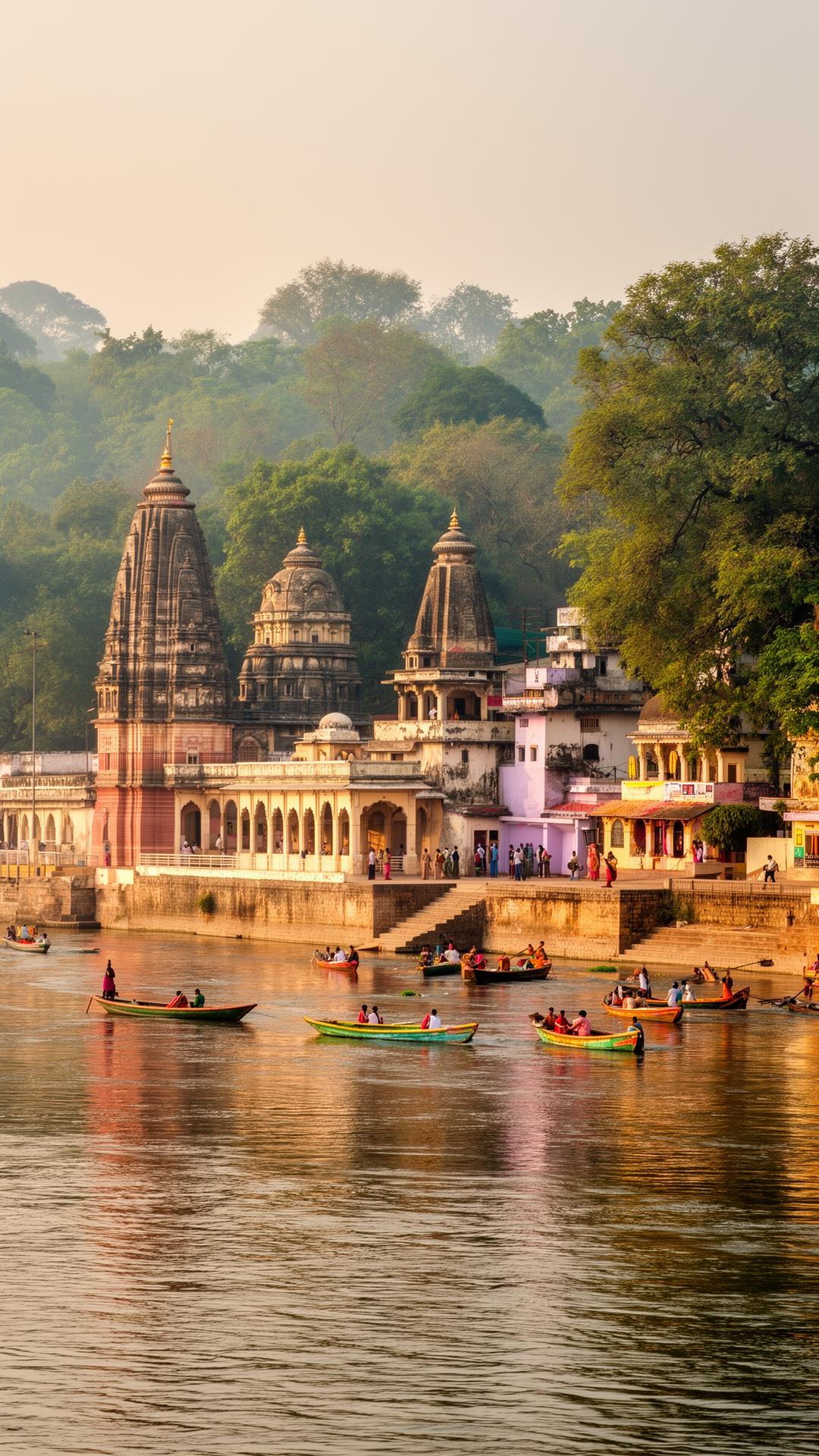
Nashik sits at the spiritual crossroads of western India — within easy reach of an international metropolis, a vibrant cultural capital, and a beloved pilgrimage town.
Nashik connects to India and the world through nearby spiritual and metropolitan gateways. Choose by comfort, by closeness, or by the kind of arrival your journey deserves.
Primary international gateway
India's most globally connected airport and the recommended arrival point for international pilgrims, with overnight Mumbai stays before the morning drive.
4–5 hr road transfer · luxury sedans & SUVs available
Western India connectivity
An ideal choice for travelers connecting from Hyderabad, Bengaluru and the south — with a scenic countryside drive northward.
5–6 hr road transfer · taxi & private car
Closest pilgrim airport
The shortest air route to Nashik. Most pilgrims combine Sai Baba darshan at Shirdi with the Kumbh pilgrimage to Nashik in a single curated circuit.
2–3 hr road transfer · pilgrim taxis on demand
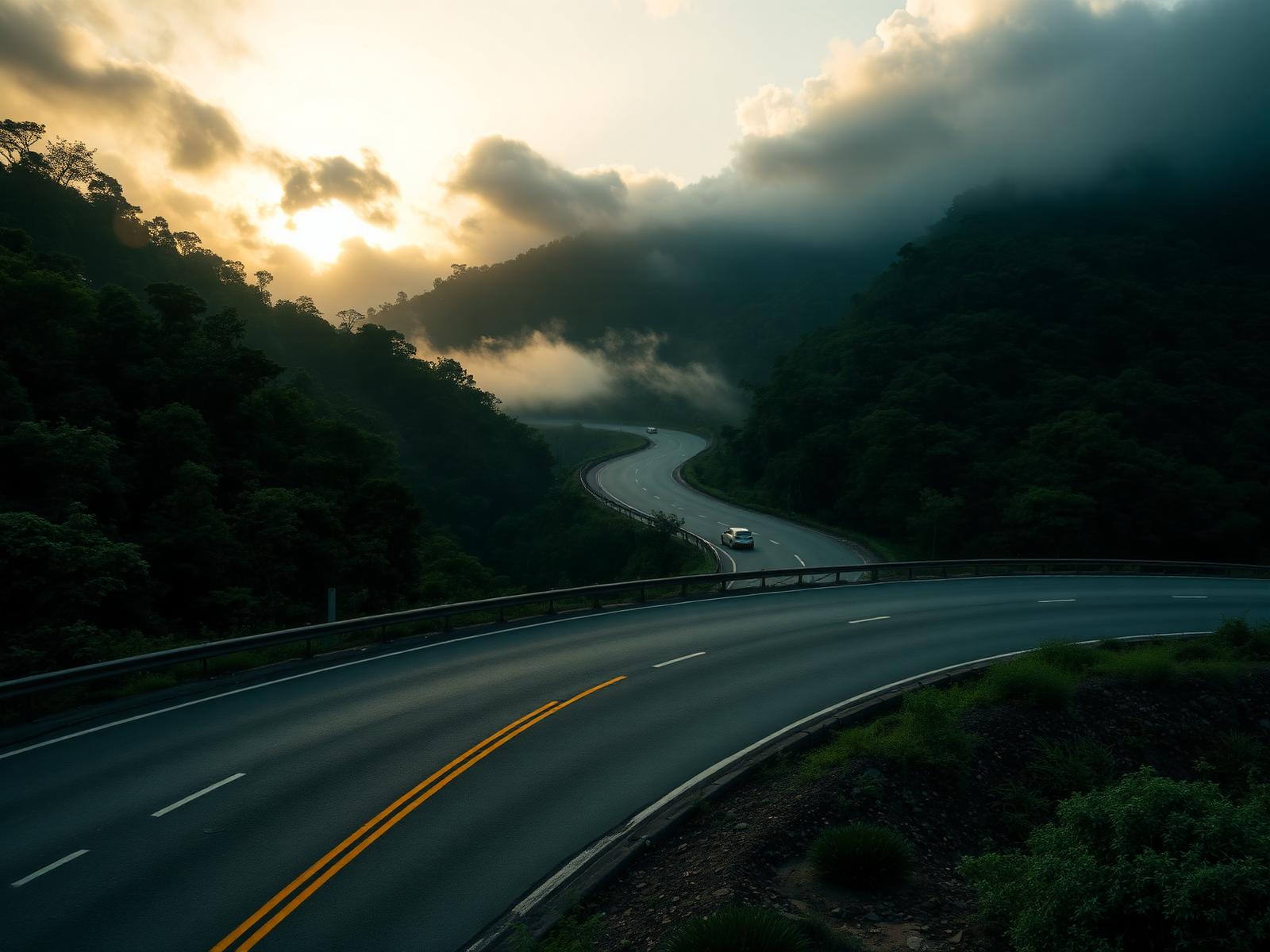
Fly into Mumbai. Rest overnight in a quiet South Mumbai or Bandra hotel. Begin a chauffeured drive at first light — the Mumbai–Nashik Expressway rises slowly into the Ghats, mist curling at the windows, until Nashik appears like a city held in the river's palms.
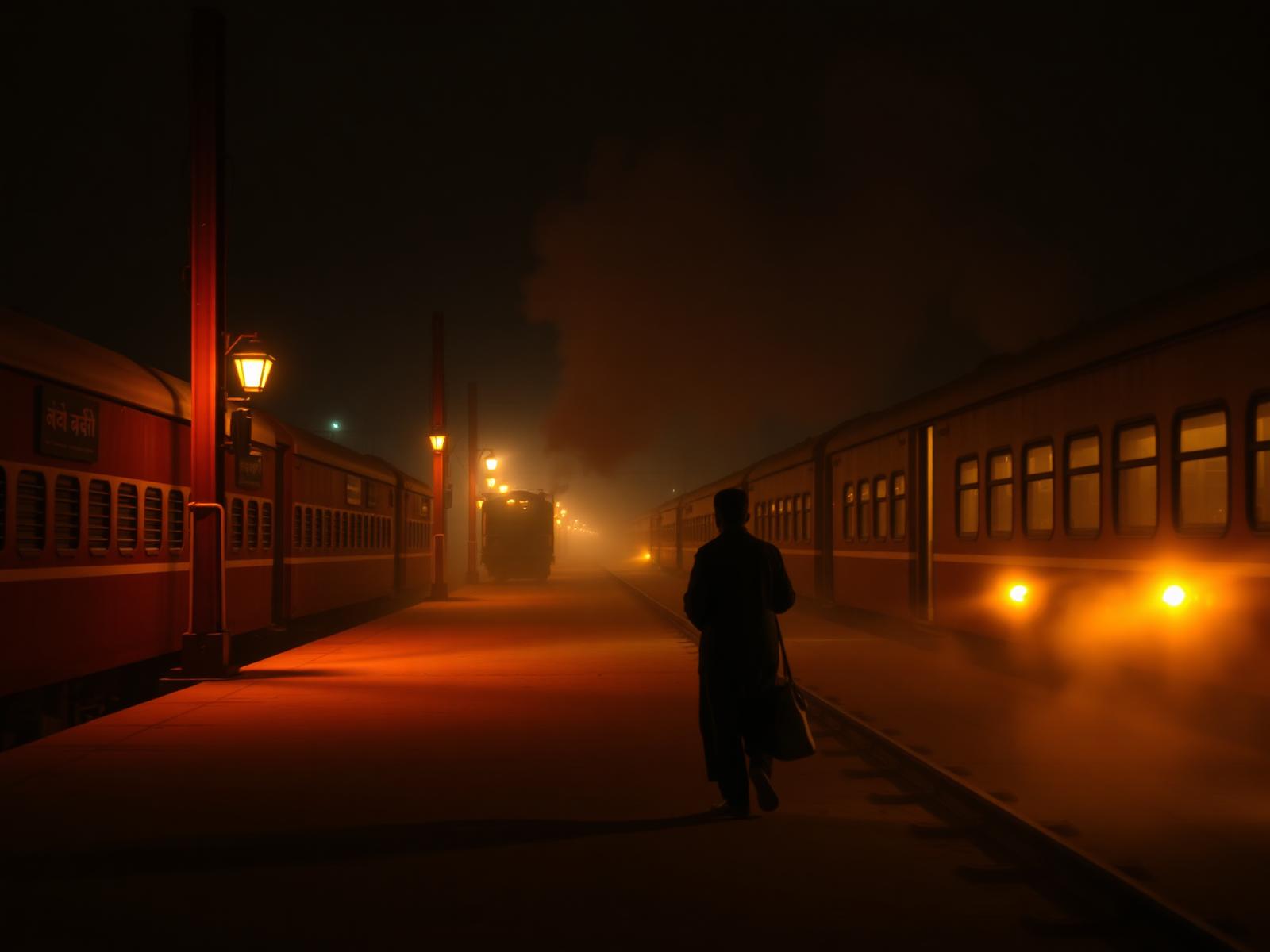
Nashik Road Railway Station (NK) is one of the great junctions of the Indian Railways — a continuous artery of devotion that has carried pilgrims here for over a century. Trains arrive from Mumbai, Pune, Delhi, Hyderabad, Ahmedabad, Kolkata and Varanasi, often at the most beautiful hours of the night and dawn.
Modern semi-high-speed connectivity from major Indian metros.
Rajdhani, Tejas and Duronto routes with overnight comfort cabins.
Classic Indian rail romance — sip chai, watch the country slip past your window.
Indian Railways typically announces dedicated Kumbh services close to the event.
“Some journeys begin long before the destination arrives.”
Three roads. Three moods. Each one slowly unfastens you from ordinary life and delivers you, prepared, to the banks of the Godavari.
The journey is not the part you endure to reach the Kumbh. It is the first chamber of the pilgrimage itself — the slow unspooling of the everyday before the river receives you.
Time your final approach so first light meets the ghats together.
A shared car, shared bhajans, a shared bowl of poha — devotion travels well in groups.
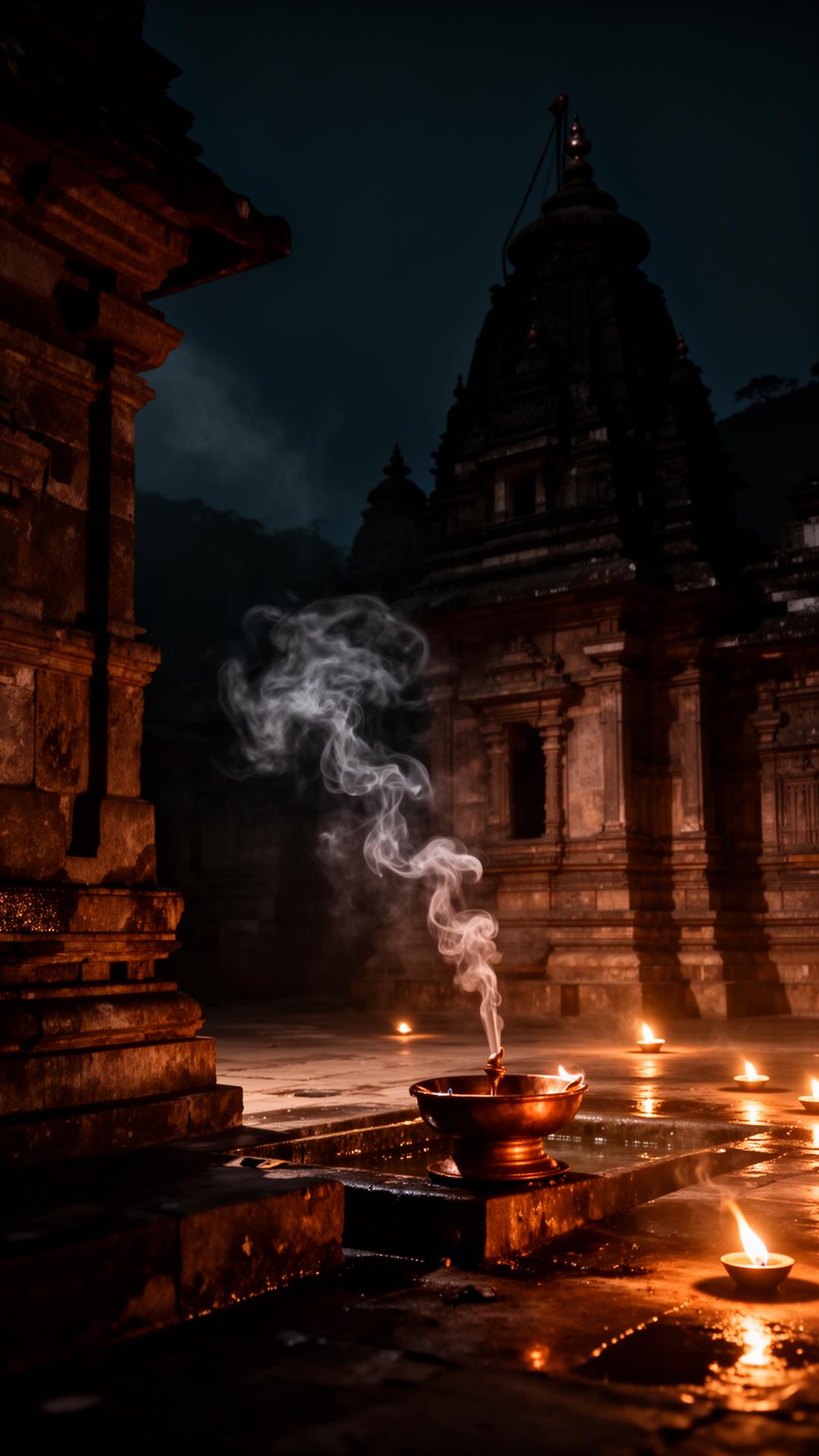
Whispered chants in second-class cabins; chai in clay cups at midnight stations.
Pause at Igatpuri, Sangamner or Sinnar — small shrines reward unhurried hearts.
Sit with veterans in the dhaba queue and listen — Kumbh stories outshine guidebooks.
Dawn light through Ghat fog is a photographer's prayer. Bring a wide lens and silence.
e-Tourist visa available for most nationalities — apply 3–4 weeks before travel.
Mumbai (BOM) for international flights; overnight stay strongly recommended.
Airtel and Jio prepaid SIMs at the airport — passport and visa required.
Use authorized counters at the airport; UPI is universal but cash is wise for Nashik.
Pre-book a verified driver through a trusted host rather than street taxis.
Marathi and Hindi locally; English understood at hotels and guided experiences.
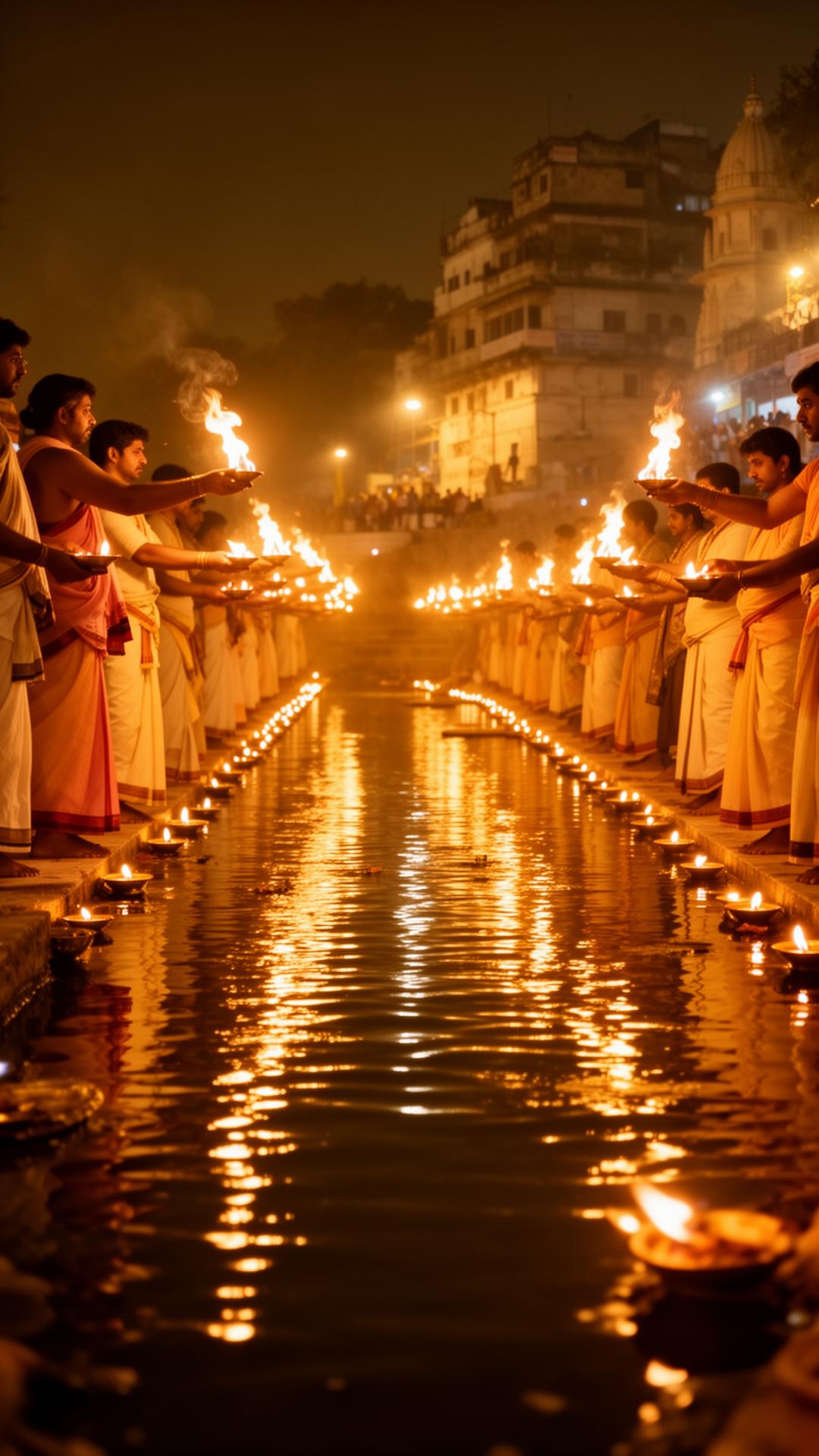
Pleasant winters; light cottons by day, a shawl for early-morning aartis.
Modest dress at temples, remove footwear, ask before photographing sadhus.
Maharashtra is building a once-in-a-generation transport experience for Kumbh 2027 — designed for the dignity of the pilgrim and the rhythm of the river.
Plan your route, secure your stay, and let us prepare every quiet detail — so the only thing you carry to the Godavari is your prayer.